
Vauiw guide
Planning vs Reaction Browser Games
Choose a browser game by whether you want to solve, route-plan, steer, or react in the moment.
Vauiw guide
Choose a browser game by whether you want to solve, route-plan, steer, or react in the moment.
Sorting, parking, escape, number-merge, and route puzzles are best when you can inspect the board before moving. Their useful question is what move preserves options for later, not how fast can I act.
Arcade climbing, obstacle driving, brick-breaking, and timing games ask you to respond to motion as it happens. Begin with a short attempt to learn the pace before chasing a score.
If the first objective mentions arranging, matching, choosing, or unlocking, start with planning. If it mentions dodging, steering, jumping, or landing, start with reaction.
In planning-focused games, a useful move protects later choices. You may be arranging objects, clearing a route, keeping space open, or matching in an order that avoids a dead end. The pace can be slow, but the satisfaction comes from seeing why one option is safer than another.
In reaction-focused games, improvement often comes from reading a rhythm, obstacle pattern, or movement response. A short first attempt has value because it reveals timing; a second attempt can then focus on one correction. This makes quick retries more useful than trying to perfect everything at once.
Pick planning when you want to pause and compare choices. Pick reaction when you want immediate input and visible feedback. Both can fit a short session, but they create different kinds of mental load, so the better category depends on what you want from the break.
Editorially updated: July 29, 2026. See our editorial standards and update log for how these guides are maintained.
These picks are supporting examples for the guide. Compare pace and controls before opening a publisher page.
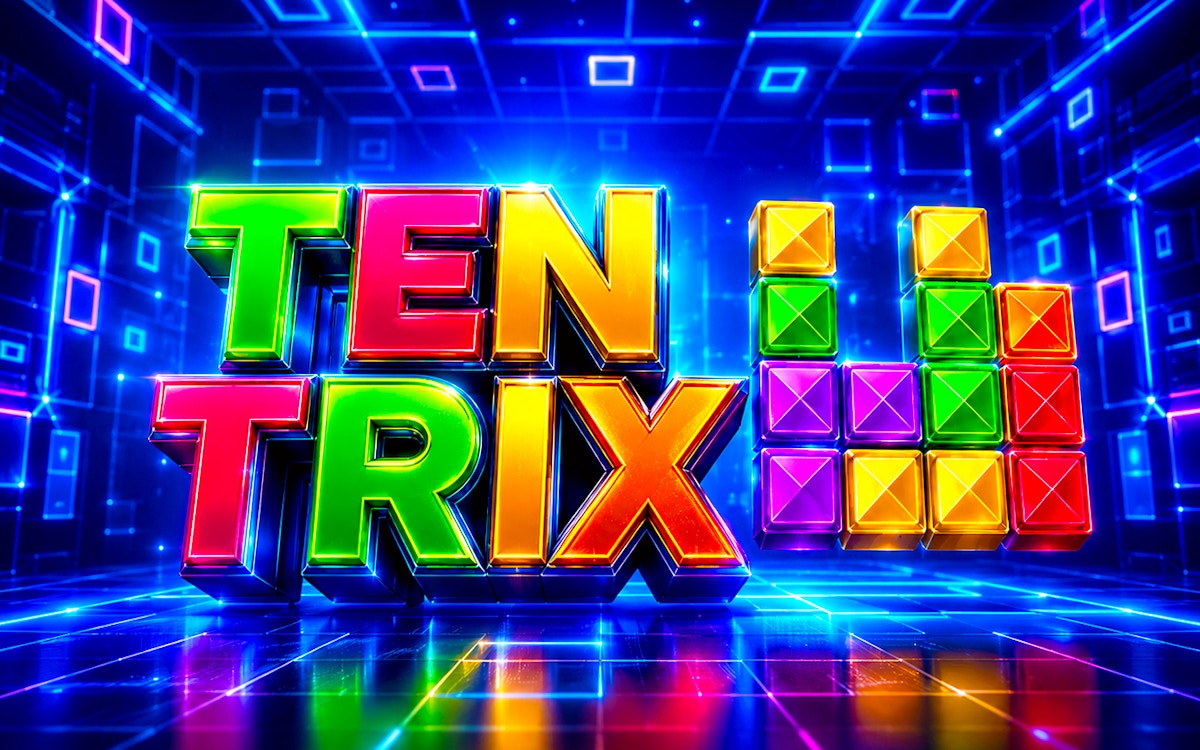
You never know what games are going to be timeless until enough time passes and Tetris has achieved that status while spawning successors like TenTrix. It was ...
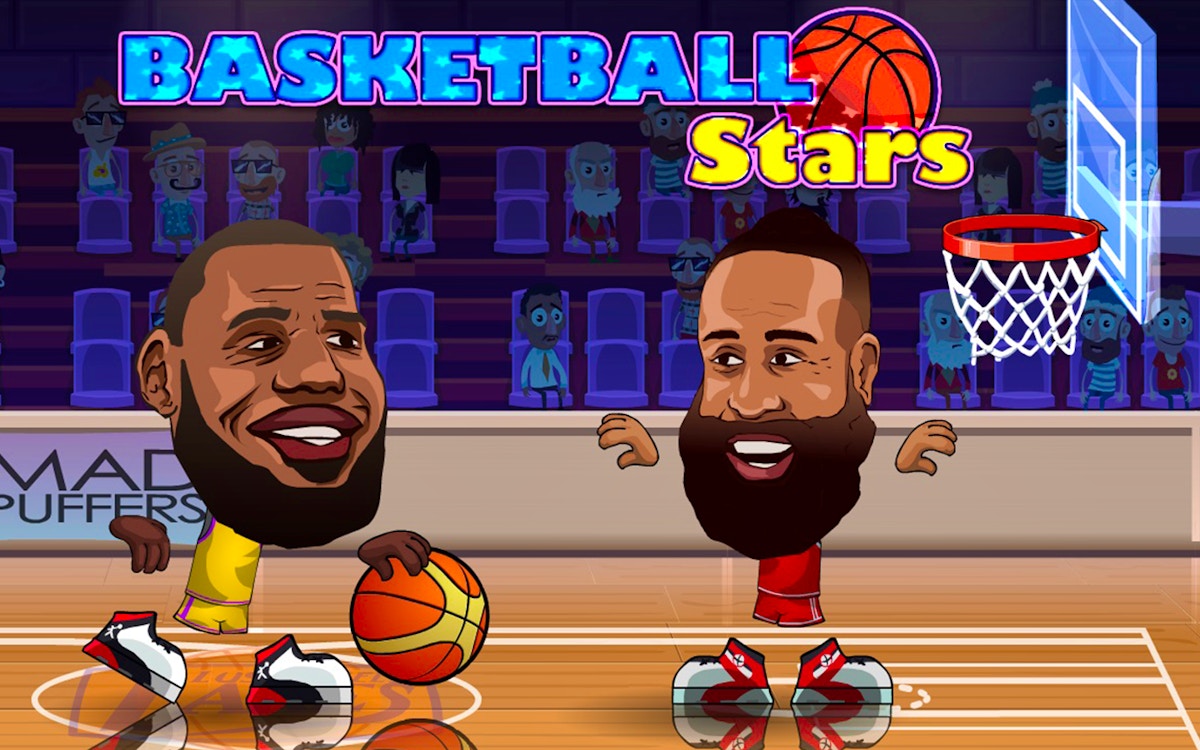
Basketball Stars is a browser basketball game with quick scoring rounds, movement, and shot timing. Try solo or two-player style sessions, compare offensive an...
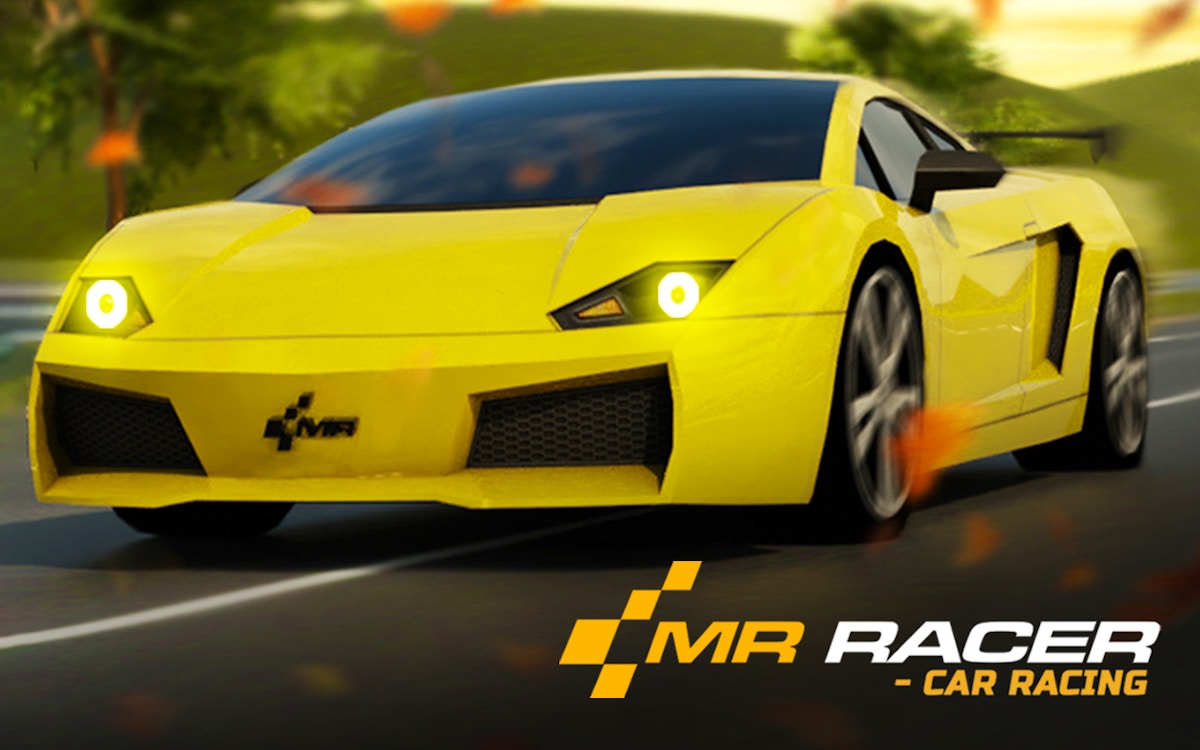
MR RACER - Car Racing is a traffic racing game with fast lanes, car handling, and route awareness. Choose a camera view, read the road ahead, and use short att...

Welcome to Ayla World: Avatar City, a colorful and creative casual game where imagination has no limits! Build your dream life, create unique characters, and e...